 By admin
 INTRODUCTION:
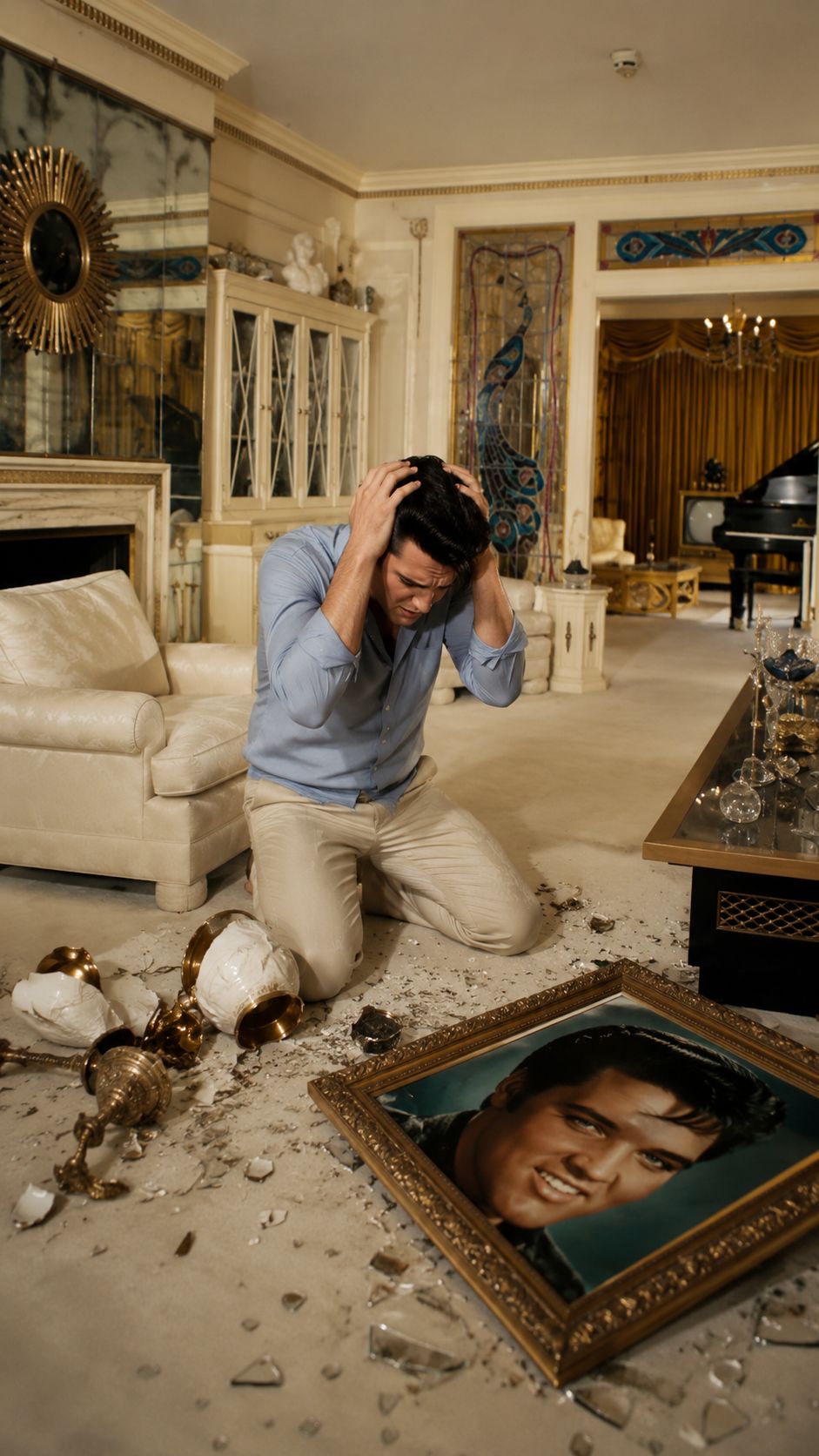
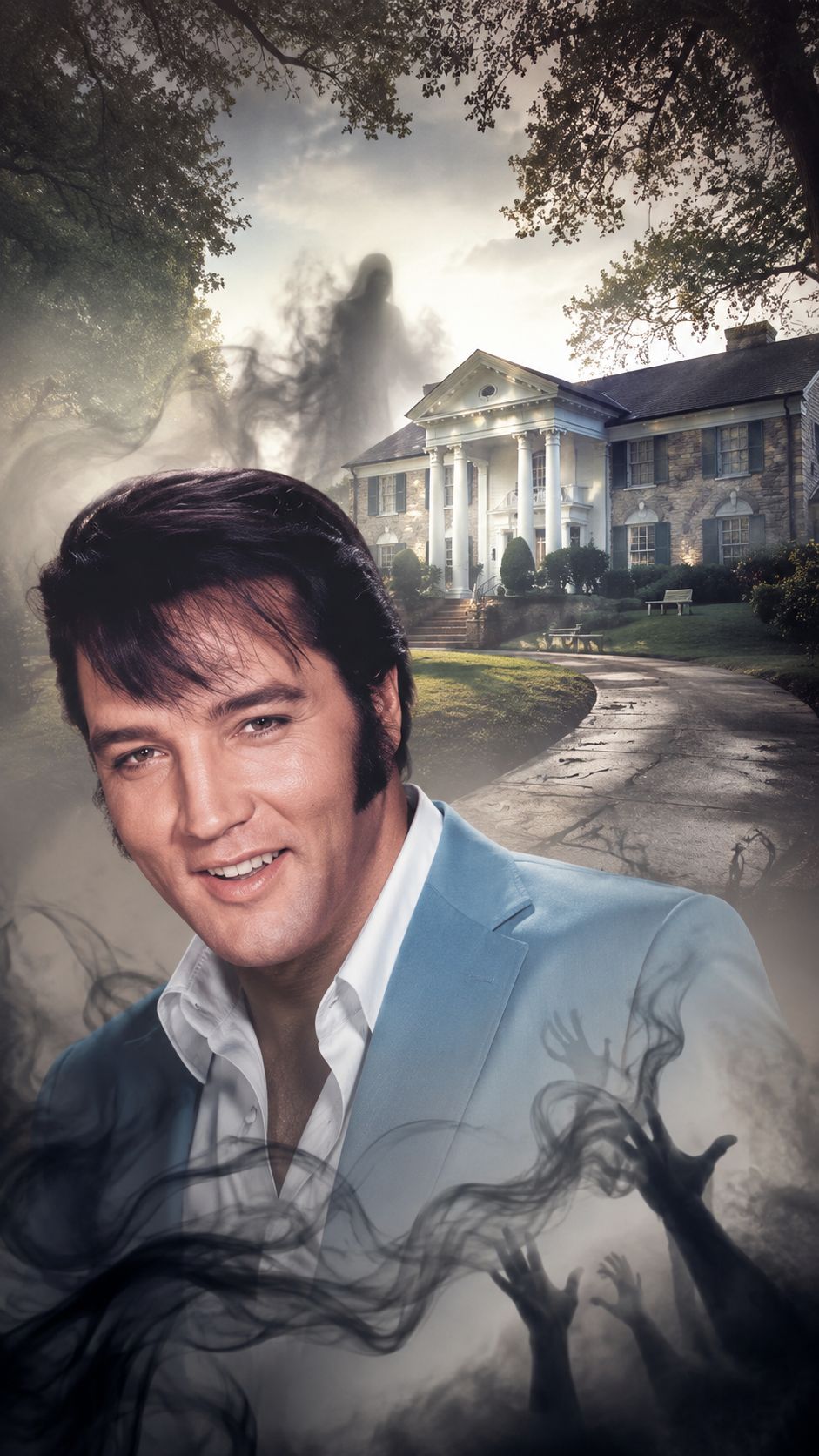
There are few homes in American history as sacred, mysterious, and emotionally charged as Graceland. Nestled in Memphis, Tennessee, the sprawling estate is more than a mansion—it is a monument to the rise, glory, and heartbreak of Elvis Presley, the undisputed King of Rock and Roll. Millions of fans have walked through its gates searching for a connection to the man who transformed popular music forever. Yet behind the white columns, gold records, and memories of superstardom lies a darker narrative that has fascinated generations.
For decades, whispers of a so-called “curse” have followed the estate. It is not a curse of ghosts or supernatural legends, but something arguably more devastating: a pattern of immense loss, pressure, and tragedy that seems to shadow those who inherit the responsibility of preserving Elvis Presley’s legacy.
From the sudden death of Elvis Presley himself to the heartbreaking fate of his only child, Lisa Marie Presley, the story of Graceland has become intertwined with grief. Every heir who gained stewardship of the iconic property also inherited a burden almost impossible to carry—the weight of living in the shadow of one of the most famous entertainers who ever lived.
The question continues to haunt music historians and fans alike: does inheriting Graceland bring privilege, or does it come with a price no family should ever have to pay?
The Mansion That Became a Monument
When Elvis Presley purchased Graceland in 1957, he was only 22 years old. Fresh from chart-topping success and rapidly becoming a global phenomenon, he wanted a place where his family could find peace away from the frenzy of fame.
The estate quickly became the center of his world. It witnessed the explosive rise of Rock and Roll, the creation of timeless hits, family celebrations, and eventually some of the darkest moments of his life.
By the 1970s, Elvis Presley was no longer simply a musician. He was an American institution. Yet fame came with isolation, health struggles, and overwhelming pressure.
Then came the day that changed everything.
On August 16, 1977, Elvis Presley died at Graceland at the age of 42.
The house that symbolized his success instantly became a shrine to loss.
His death shocked the world and transformed Graceland from a private residence into a sacred pilgrimage site for fans.
The First Burden: Protecting a Giant Legacy
Following the death of Elvis Presley, ownership of Graceland passed through his family, eventually becoming tied to his daughter, Lisa Marie Presley.
At first glance, inheriting one of America’s most famous properties might seem like an unimaginable blessing. Yet inheriting Graceland also meant inheriting one of the most scrutinized legacies in entertainment history.
Every decision became public.
Every financial move attracted attention.
Every personal struggle became a headline.
Unlike ordinary heirs, Lisa Marie Presley was never allowed the luxury of anonymity. Her identity became permanently linked to the memory of her father.
For decades, she faced impossible expectations. Fans wanted her to preserve Elvis Presley’s image perfectly. The media expected her to explain his life, defend his legacy, and somehow carry forward the mystique of the Rock and Roll era.
That burden alone would challenge anyone.
The Weight of Being Elvis’s Daughter
The tragedy surrounding Graceland is deeply connected to the emotional reality of growing up as the child of a cultural icon.
Lisa Marie Presley was only nine years old when she lost her father.
While the world mourned Elvis Presley, she lost a parent.
This distinction is crucial.
Millions knew the legend.
Only one daughter knew the man.
Throughout her life, she pursued her own artistic path, releasing music and attempting to establish an identity independent of the Presley name. Yet escaping the enormous shadow of Elvis Presley proved nearly impossible.
Every interview eventually returned to her father.
Every achievement was compared to his.
Every setback became magnified because of who she was.
Fame can be inherited, but understanding and peace rarely are.
The psychological burden of carrying a legendary surname became one of the defining themes of her life.
A Family Touched Repeatedly by Loss
The idea of the “curse of Graceland” gained momentum because tragedy seemed to revisit the Presley family generation after generation.
Long before recent heartbreaks, loss had already shaped Elvis Presley’s life. He never recovered emotionally from the death of his mother, Gladys Presley, whose passing profoundly affected him.
Years later, his own death stunned the world.
Then came further sorrow within the family line.
Perhaps the most devastating modern chapter occurred in 2020 when Benjamin Keough, the son of Lisa Marie Presley and grandson of Elvis Presley, died at the age of 27.
Many observers noted the painful symbolism. Benjamin not only carried the Presley bloodline but also bore a striking resemblance to his grandfather.
His death sent shockwaves through the family and renewed public discussion about the emotional burden attached to one of entertainment’s most famous dynasties.
For Lisa Marie Presley, the loss was reportedly unimaginable.
The tragedy left wounds from which many believed she never fully recovered.
The Final Heartbreak
In January 2023, the world received another devastating blow.
Lisa Marie Presley died at the age of 54.
The news triggered a wave of grief among fans who had spent decades watching her navigate life under extraordinary circumstances.
For many observers, her passing strengthened the perception that the inheritance of Graceland carried a profound emotional cost.
Here was the sole heir of Elvis Presley, a woman who spent her entire life preserving his memory while simultaneously battling the pressures that came with it.
The symbolism was impossible to ignore.
The daughter inherited the mansion.
The daughter inherited the legacy.
The daughter inherited the burden.
And ultimately, the daughter joined her father in history.
What appeared from the outside to be a royal inheritance often felt more like a lifelong responsibility.
Is There Really a Curse?
From a historical perspective, there is no evidence of a supernatural curse.
The true curse may be something far more human.
The Presley family story reveals the hidden costs of fame across generations. Extraordinary celebrity often creates expectations that no person can fully satisfy.
Children of legends frequently struggle with identity.
Families become public property.
Private grief becomes public spectacle.
The heirs of iconic figures are asked to protect a legacy while simultaneously building lives of their own.
For the Presley family, Graceland became both a treasured home and a permanent reminder of immense responsibility.
The mansion symbolizes success, achievement, and cultural impact. Yet it also represents the sacrifices demanded by global fame.
Why Graceland Still Fascinates the World
Today, Graceland remains one of the most visited celebrity homes on Earth. Fans continue to travel from around the world to celebrate Elvis Presley, his music, and his influence on Rock and Roll history.
The estate stands as proof that legends never truly disappear.
Yet visitors are often drawn to more than gold records and memorabilia. They are drawn to the human story.
They see a gifted artist who changed music forever.
They see a daughter who carried an impossible legacy.
They see a family marked by extraordinary triumph and heartbreaking loss.
The enduring fascination with Graceland comes from this powerful contrast. It is simultaneously a palace of dreams and a monument to vulnerability.
In the end, the so-called curse may not be about the mansion at all.
It may be about the heavy reality that comes with inheriting greatness.
Because while millions dream of possessing a legendary estate, few consider the emotional price of becoming the guardian of a myth.
And for those who inherited Graceland, that responsibility may have been the greatest burden of all.