 By admin
 I The Quiet Power of Don Williams
II When Country Music Spoke Softly and Meant Every Word
III A Voice That Chose Truth Over Noise
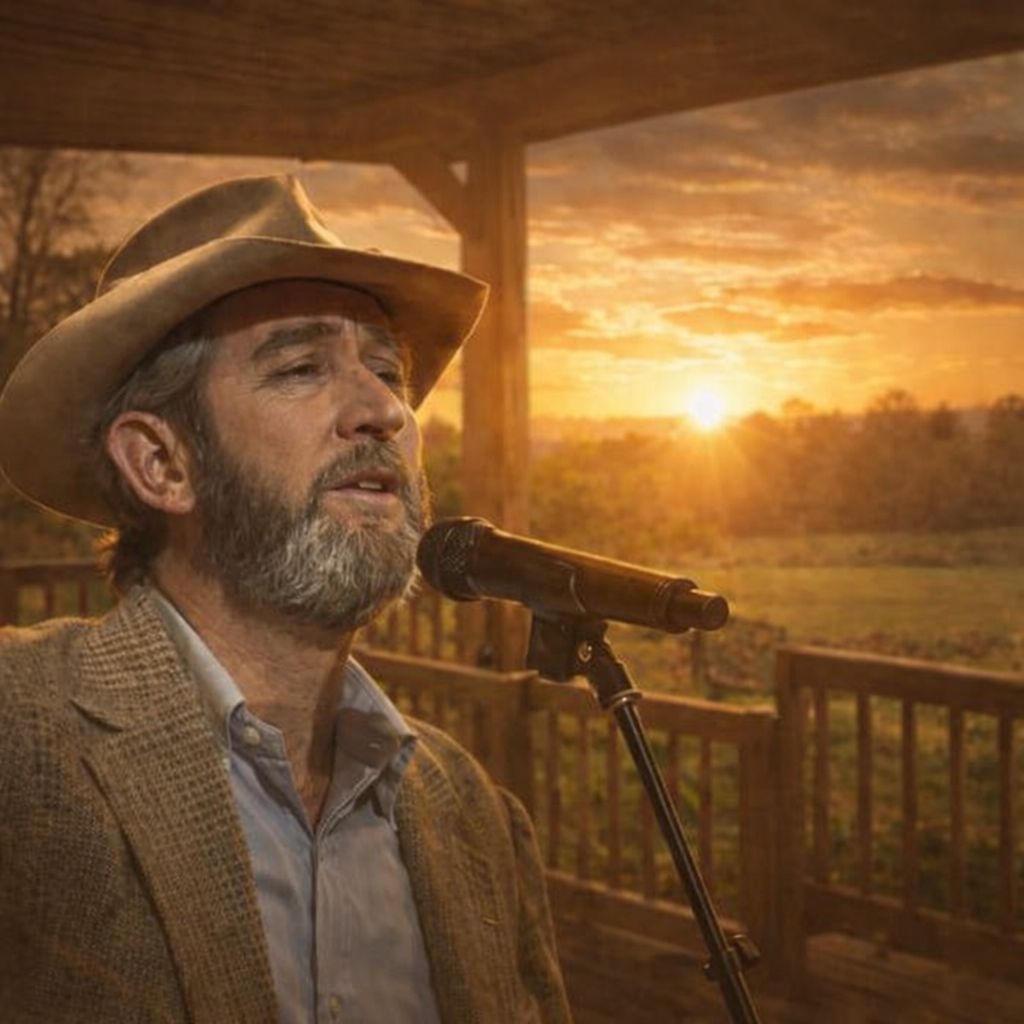
There are artists who arrive like a storm, loud, dazzling, impossible to ignore. And then there are artists who arrive like dusk—slow, steady, and unforgettable once you notice the way the light changes. Don Williams belonged firmly to the second kind. His legacy is not built on spectacle or controversy, but on something far rarer in modern music: restraint, sincerity, and an unshakable sense of emotional honesty.
In an era when country music often wrestled between tradition and trend, Don Williams never seemed interested in the argument. He simply stood where he was, sang the truth as he saw it, and trusted that the right people would hear him. And they did—quietly, faithfully, for decades. His songs did not demand attention. They earned it.
What makes his work endure is not just the recognizable baritone or the clean, unhurried arrangements. It is the feeling that his music was never trying to impress you. It was trying to understand you.
The Gentle Giant never chased the spotlight. He let the songs do the talking. Soft voice, honest words, and stories that feel like home after a long road. No drama, no rush, just country music that sits beside you and understands. Some artists get louder with time. Don Williams got deeper. And if that kind of quiet magic still gets you, you already know the answer is yes.
That paragraph could serve as both a summary and a philosophy. Don Williams was often called “The Gentle Giant,” not because of clever branding, but because the name fit too well to ignore. Tall, reserved, almost shy in demeanor, he projected a calm that felt increasingly precious as the music industry grew louder and more impatient. His greatness was never announced; it was discovered.
To understand Don Williams is to understand patience. His songs unfold without hurry. They trust silence. They leave space for the listener to bring their own memories, their own regrets, their own hopes. He did not oversing. He did not overexplain. He simply told the story and stepped back.
This approach resonated deeply with listeners who had lived a little, who understood that life’s most meaningful moments are rarely shouted. Love, loss, faith, endurance—these themes appear again and again in his catalog, but always handled with care. There is no desperation in his voice, no need to convince. He sounds like a man who has already made peace with the world, even while acknowledging its aches.
One of the most remarkable aspects of Don Williams’ career is how consistent he remained. While many artists reinvented themselves to chase relevance, he refined himself instead. The songs grew subtler. The emotions grew richer. The delivery grew calmer. This was not stagnation; it was depth.
His music feels like a front porch at sunset, simple chords, steady truth, and a calm that lasts. You do not listen to Don Williams to escape life. You listen to remember it, slower, kinder, and real, where feelings breathe and silence sings back to hearts seeking peace tonight together.

That image—the front porch at sunset—is not accidental. Don Williams’ music often feels rooted in place, even when no specific location is named. It evokes rural evenings, long conversations that do not need conclusions, and the comfort of familiarity. His songs are not about running away; they are about standing still long enough to notice what matters.
For older listeners, especially those who grew up alongside classic country radio, Don Williams represents a time when songs trusted their audience. They assumed emotional intelligence. They did not rush to the hook or rely on clever tricks. Instead, they unfolded like conversations between friends who already know each other well.
There is also a moral steadiness in his work that feels increasingly rare. This is not moralizing or preaching. It is a quiet confidence that kindness, loyalty, and sincerity are worth singing about, even if they are not fashionable. His characters often face disappointment, but they do not collapse under it. They endure. They reflect. They move forward with grace.
Musically, Don Williams favored simplicity, but never emptiness. Acoustic guitars, gentle rhythm sections, subtle harmonies—everything served the song. Nothing competed with the voice or the story. This balance allowed his lyrics to breathe, to land with full emotional weight.
It is worth noting how many listeners describe discovering Don Williams not in moments of celebration, but in moments of stillness. Late nights. Long drives. Quiet mornings. His music seems to find people when they are most open, most receptive. That is not coincidence. His songs are invitations, not interruptions.
In the broader story of country music, Don Williams occupies a unique space. He was never the rebel, never the showman, never the headline-chasing icon. Yet his influence runs deep. Many artists who came after him—whether they admit it openly or not—borrowed his belief that understatement can be powerful, that emotional truth does not require volume.
There is also something profoundly human about his imperfections. His voice was not flashy. His range was not extreme. And that is precisely why it worked. He sounded like someone you might actually know. Someone who could sit across from you, speak plainly, and leave you thinking long after the conversation ended.
As the music world continues to change at an ever-faster pace, Don Williams’ catalog stands almost defiantly still. It does not beg to be rediscovered through trends or algorithms. It waits. And for those who eventually find their way back—or discover him for the first time—it offers something rare: emotional rest.
His songs remind us that not everything meaningful needs to be urgent. Not every truth needs to be shouted. Sometimes the deepest impact comes from a voice that trusts you enough to speak softly.
That is why Don Williams still matters. Not as nostalgia, but as a standard. A reminder that music can be gentle without being weak, simple without being shallow, and quiet without being forgotten.
In the end, listening to Don Williams is not about looking backward. It is about reconnecting with a pace of feeling that modern life often forgets. A pace where reflection is allowed. Where silence has value. Where songs do not compete with your thoughts, but walk alongside them.
And perhaps that is his greatest gift. In a world full of noise, Don Williams left us with music that understands the power of listening.