 By admin
 INTRODUCTION: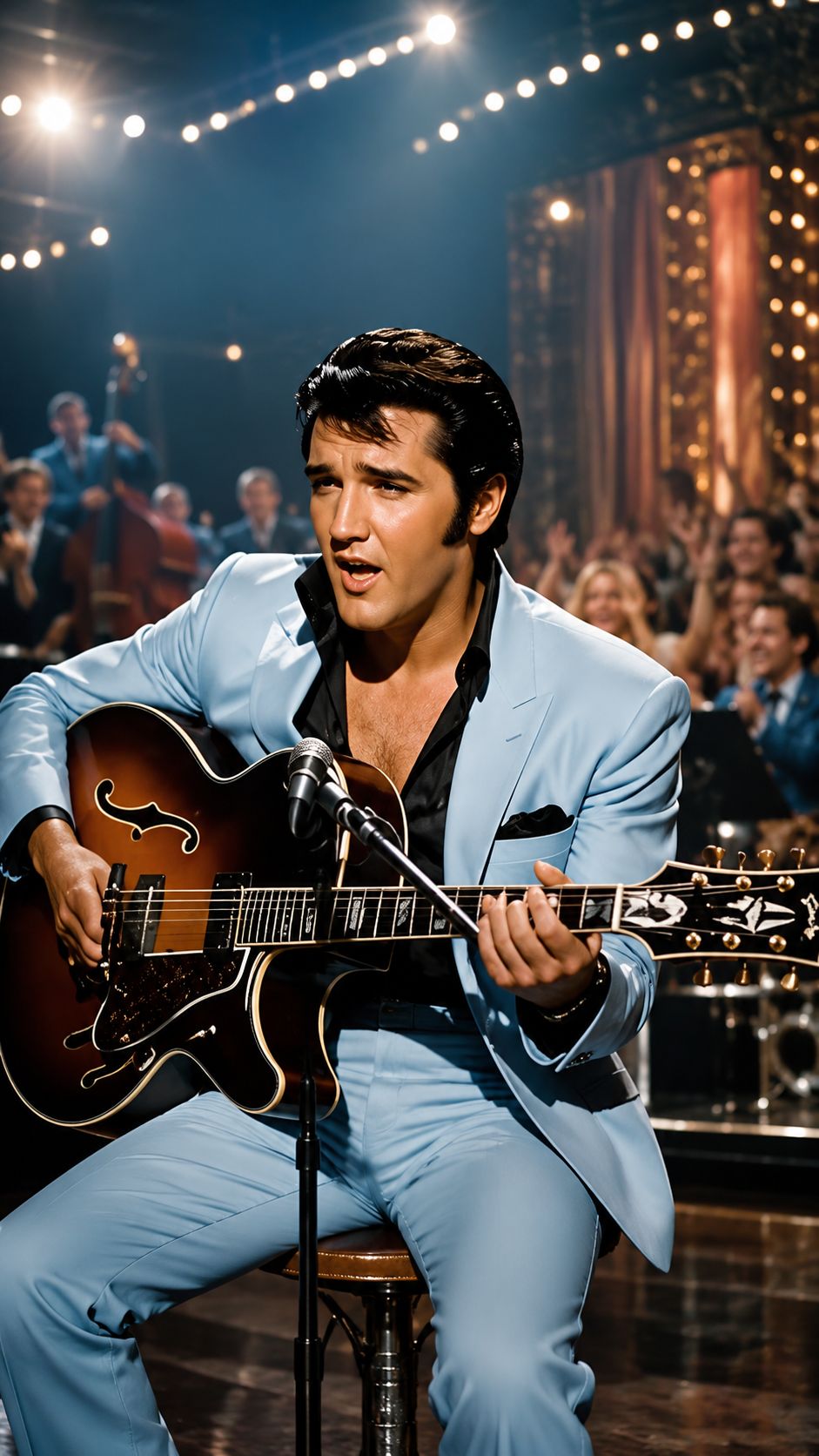
There are superstars, there are legends, and then there is Elvis Presley. Decades after his passing, his name still echoes through generations, transcending age, culture, and even musical preferences. Millions who never saw him perform live still feel connected to him. That kind of loyalty cannot be explained by record sales alone. It cannot be measured simply by chart-topping hits, sold-out concerts, or cultural influence.
The relationship between Elvis Presley and his fans was something deeper. It was personal. It was emotional. It felt real.
At a time when celebrity culture was far less accessible than it is today, Elvis somehow made people feel as though they knew him. His smile seemed genuine. His vulnerability felt authentic. His performances carried an emotional intensity that made every listener feel seen and understood.
Whether he was singing a heartbreaking ballad, a gospel hymn, or a rock-and-roll anthem, fans sensed that he was giving them a piece of himself. That emotional honesty became the foundation of one of the most enduring fan relationships in entertainment history.
The question isn’t simply how Elvis Presley became famous.
The real question is how he won hearts so completely—and why those hearts never let him go.
The Power of Authenticity in an Age of Distance
Long before social media, livestreams, and constant celebrity updates, Elvis Presley created an emotional connection that modern artists still struggle to achieve.
Fans didn’t just admire him.
They trusted him.
Part of that trust came from his humble beginnings. Born in Tupelo, Mississippi, and raised in a working-class environment, Elvis never projected the image of an untouchable superstar. Even after becoming the world’s biggest entertainer, he often spoke with the same warmth and Southern charm that had defined him from the beginning.
People sensed that the fame had not completely erased the person underneath.
“Fans can forgive flaws. What they never forgive is feeling deceived.”
The public saw someone who appeared grateful for his success and genuinely appreciative of the people who supported him. That authenticity became one of his greatest assets.
Music That Spoke Directly to the Heart
Many artists create hits.
Few create emotional memories.
The genius of Elvis Presley was his ability to make listeners feel as though he was singing directly to them.
Songs like “Can’t Help Falling in Love”, “Love Me Tender”, “Are You Lonesome Tonight?”, and “Suspicious Minds” weren’t simply recordings. They became soundtracks to people’s lives.
When listeners experienced heartbreak, they found comfort in his voice.
When they fell in love, his songs amplified their emotions.
When they felt lonely, his performances offered companionship.
This emotional versatility allowed Elvis to connect with audiences across generations and life experiences.
Unlike many performers who excelled in a single style, Elvis Presley moved effortlessly between Rock and Roll, Country Music, Gospel Music, and pop ballads. That flexibility broadened his appeal and deepened his connection with different audiences.
A teenager could love his energetic rock performances.
A parent could appreciate his romantic ballads.
A churchgoer could admire his gospel recordings.
Everyone found a version of Elvis that felt personal.
The Revolutionary Energy of the Early Years
To understand why fans became so devoted, we must revisit the cultural earthquake that occurred during the 1950s.
When Elvis Presley emerged, he wasn’t merely another singer.
He represented freedom.
His style, charisma, and stage presence challenged existing norms. Young people saw him as a symbol of independence and self-expression.
The explosive energy of songs like “Heartbreak Hotel”, “Hound Dog”, and “Jailhouse Rock” transformed popular music forever.
His performances weren’t polished in the traditional sense.
They were alive.
Fans felt excitement, unpredictability, and passion every time he stepped on stage.
That emotional rush created memories that lasted a lifetime.
For many fans, discovering Elvis wasn’t just a musical experience.
It was a personal awakening.
The Human Vulnerability Behind the Icon
One reason fans remained loyal through every phase of his career was that they witnessed both his triumphs and his struggles.
Unlike carefully manufactured celebrity images, Elvis Presley often appeared deeply human.
His insecurities occasionally surfaced.
His emotional sensitivity was evident.
His desire for love and acceptance felt genuine.
This vulnerability strengthened the bond with his audience.
People don’t connect most strongly with perfection.
They connect with humanity.
Fans recognized that beneath the dazzling costumes and global fame was a man wrestling with many of the same emotions they experienced.
That shared emotional reality created empathy rather than mere admiration.
“The greatest stars become mirrors. Fans see parts of themselves reflected back.”
Elvis became exactly that kind of mirror.
The Comeback That Reinforced His Legacy
One of the most powerful moments in his relationship with fans came during the legendary 1968 Comeback Special.
At a time when some critics believed his career had lost momentum, Elvis Presley delivered one of the most electrifying performances in television history.
The special showcased a different side of him.
Confident.
Focused.
Passionate.
Hungry.
Audiences witnessed an artist reconnecting with the raw energy that had first made him famous.
The emotional impact was enormous because fans weren’t simply watching a performance.
They were watching a personal redemption story.
The comeback reminded the world that greatness isn’t defined by avoiding setbacks.
It is defined by rising above them.
That message resonated deeply with fans and strengthened their emotional investment in his journey.
The Intimacy of Live Performances
Another crucial reason fans stayed devoted was the unique atmosphere of Elvis’s concerts.
Despite performing before thousands of people, he often created moments that felt remarkably personal.
Stories from concert attendees consistently describe eye contact, smiles, gestures, and spontaneous interactions that made individuals feel recognized.
In today’s language, we would call this emotional engagement.
But Elvis Presley mastered it decades before it became a marketing strategy.
Fans left concerts feeling as though they had shared a moment—not merely observed a show.
That distinction matters.
People remember experiences.
They treasure emotional connections.
And Elvis excelled at creating both.
The Enduring Influence of Country Music Roots
Although many remember him primarily as the King of Rock and Roll, Country Music played a profound role in shaping his identity.
His recordings often reflected the storytelling traditions and emotional honesty associated with classic Country Music.
This connection made him especially relatable to audiences who valued sincerity over spectacle.
Songs rooted in heartbreak, faith, longing, and resilience aligned perfectly with the emotional themes that define great country storytelling.
His ability to blend genres while maintaining emotional authenticity helped create a fan base that extended far beyond traditional musical boundaries.
Why Fans Still Love Elvis Today
The continued devotion surrounding Elvis Presley reveals an important truth about entertainment.
Technology changes.
Trends evolve.
Music styles come and go.
But emotional connection remains timeless.
People still visit Graceland because they are searching for that connection.
New listeners still discover “Can’t Help Falling in Love” because genuine emotion never becomes outdated.
Fans continue sharing stories, memories, and tributes because the relationship they formed with Elvis was never based solely on fame.
It was based on feeling.
And feelings endure.
Perhaps that is the ultimate answer to why Elvis Presley won over—and kept—the hearts of millions.
He didn’t simply perform for people.
He made them feel understood.
He gave them joy during difficult times.
He provided comfort during loneliness.
He represented hope, passion, vulnerability, and possibility.
And when an artist becomes part of someone’s emotional life, their legacy doesn’t fade with time.
It becomes immortal.
“The greatest gift an artist can give is not a song. It is the feeling that someone, somewhere, understands your heart.”
That may be the true secret behind Elvis Presley’s enduring magic.