 By admin
 Watch the video at the end of this article.
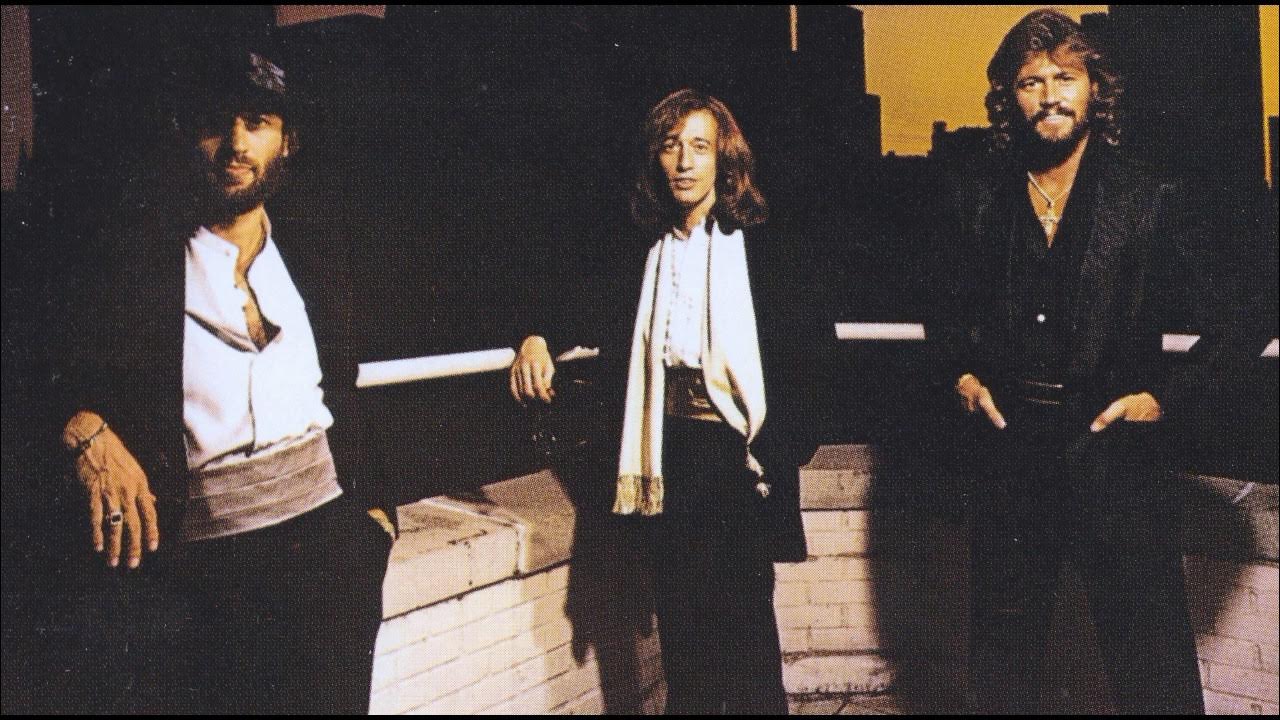
Few songs in the Bee Gees’ catalogue carry the quiet mystique of “Heat of the Night.” Not a pop single or chart-topping hit, the track survives instead as an evocative demo and outtake — a fragment of creative work that reveals where the Gibb brothers were heading musically at a moment of transition. This article traces the song’s origins, recording story, musical character, and legacy among collectors and fans.
Origins and songwriting
“Heat of the Night” was written by Barry, Robin and Maurice Gibb during the Bee Gees’ early-1980s sessions. The composition dates to 1981, the same period the group was working on material that ultimately produced the Living Eyes album. Contemporary session logs and Gibb discographies identify “Heat of the Night” as a Barry-led recording from 1981 and credit it to the three brothers.
Recording context — the Living Eyes sessions
The early-1980s sessions were fraught with decisions about direction: the Bee Gees were still shedding their late-1970s disco image and experimenting with softer rock and adult-oriented arrangements. “Heat of the Night” was recorded as a demo/outtake during those Living Eyes sessions but did not appear on the final album track list. Detailed session notes and archivists describe the song as an unreleased studio piece (roughly four minutes long in circulating versions) that was dropped from the album sequence before release.
Sound and style
Musically, the surviving demo of “Heat of the Night” fits the Bee Gees’ early-’80s aesthetic: a softer rock arrangement with restrained production, conventional drums and keyboards, and Barry Gibb taking the lead vocal. The song lacks the high falsetto flash of their late-’70s hits and instead favors a warmer, more contemplative tone — consistent with the Living Eyes era’s move toward mature pop/soft-rock textures. Listeners and demo collections describe it as atmospheric and melodic rather than overtly commercial.
Release status and circulation
“Heat of the Night” was not officially released on Living Eyes (or on any subsequent Bee Gees studio album). Instead, it has survived through bootlegs, fan compilations and demo uploads: several fan sites and demo collections include an HQ demo recording, and the track has circulated on social platforms and video-sharing sites where collectors share outtakes from the Gibb archive. Because it remains unreleased in the group’s official discography, most fans know it today as a sought-after deep cut rather than a canonical Bee Gees single.
Why it was dropped (likely reasons)
The Living Eyes sessions produced more than the final album could hold; the band and producers culled material for coherence and commercial strategy. Contemporary commentary and later interviews suggest the group and their producers were making tough choices about which songs fit the album’s mood and the marketplace of 1981 — a period when the Bee Gees were consciously distancing themselves from the disco era. In that light, an otherwise solid demo like “Heat of the Night” may simply have been an aesthetic casualty of sequencing and label decisions.
Legacy and fan appreciation
Although “Heat of the Night” never achieved mainstream recognition, it enjoys a minor but persistent afterlife among Bee Gees aficionados. For collectors the recording is valuable for what it reveals: Barry’s songwriting instincts and the brothers’ collaborative chemistry even when material remained unfinished or unreleased. Demos like this deepen our understanding of the Gibbs’ creative process — showing ideas that were tested, set aside, or later reworked. Archivists and fan sites continue to index and preserve the demo, and it periodically resurfaces on demo compilations and YouTube uploads for curious listeners.
Short timeline
-
1981 — “Heat of the Night” is written and recorded as a demo/outtake during the Living Eyes sessions.
-
1981 (album release) — Living Eyes released without the track; “Heat of the Night” remains officially unreleased.
-
Post-1981 to present — Demo circulates via bootlegs, fan sites and online uploads; preserved by Bee Gees archivists and collectors.