 By admin
 INTRODUCTION:
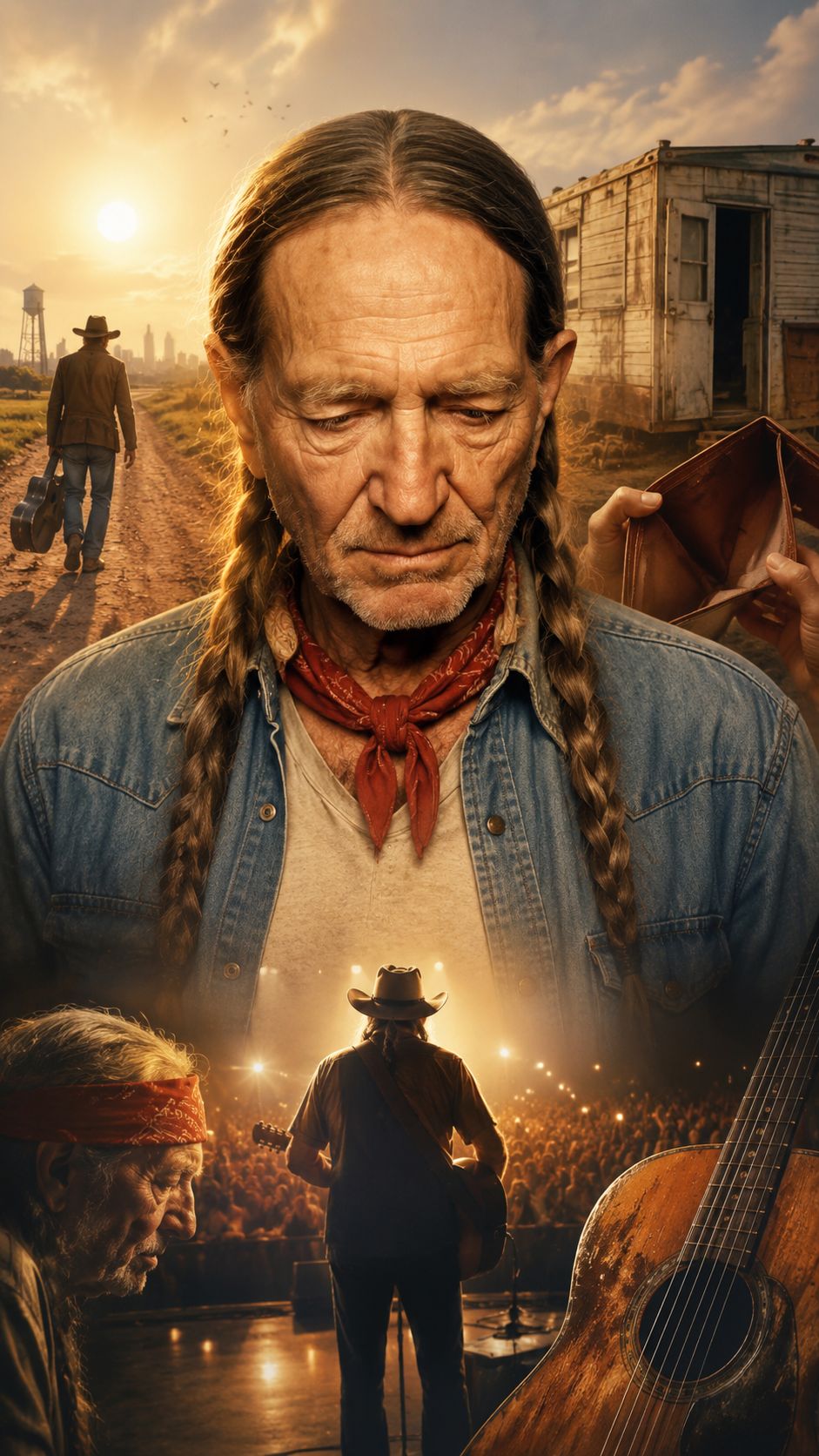
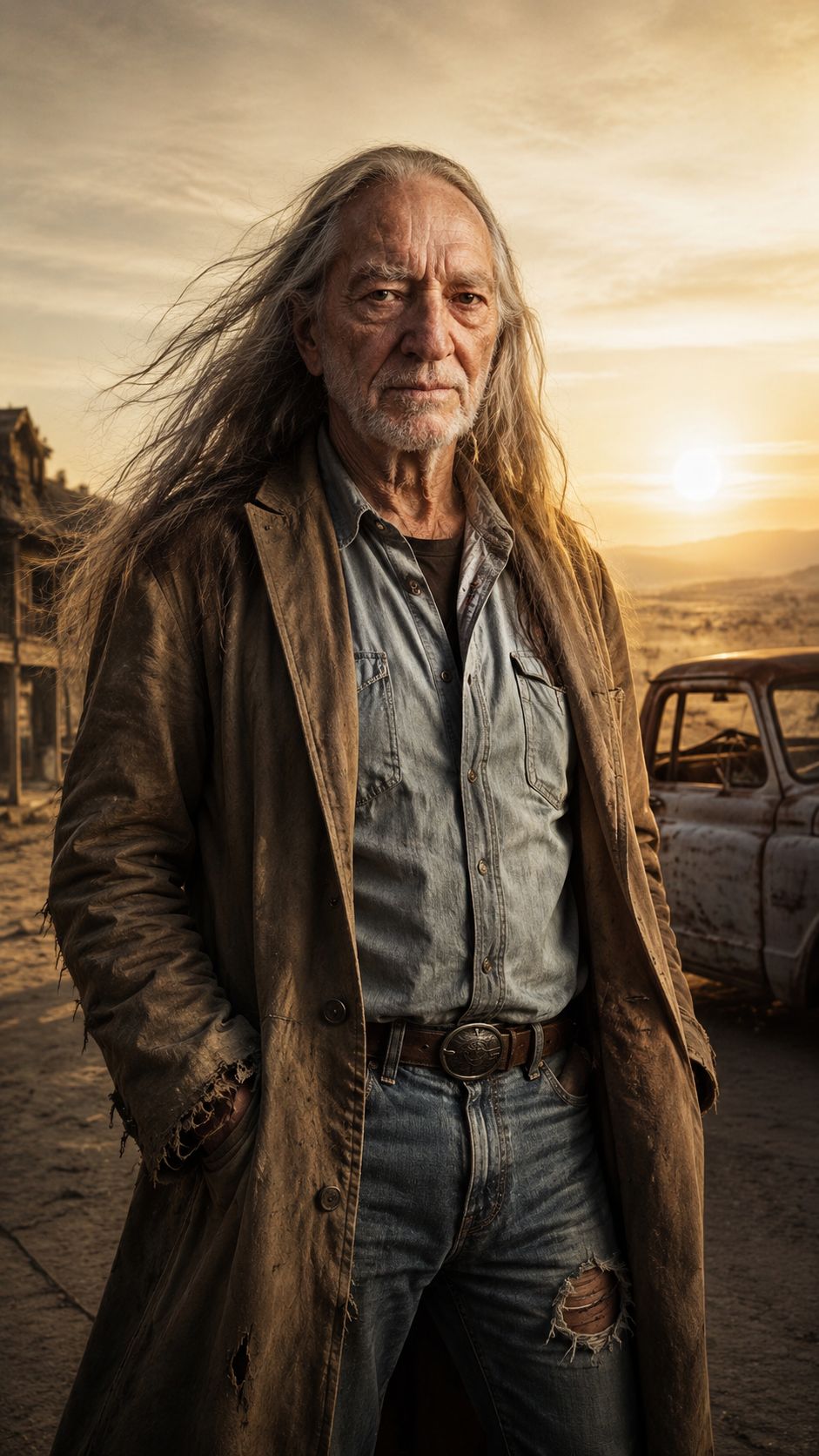
There are legends, and then there are survivors. Few artists in American music history embody survival quite like Willie Nelson. Long before he became the gray-haired icon with the braided pigtails, the unmistakable voice, and the outlaw spirit that reshaped Country Music, he was a man fighting battles on every front. He battled poverty. He battled illness. He battled an industry that often failed to understand him. At times, he even battled the people he trusted most.
The story of Willie Nelson is not one of easy success. It is a story of setbacks so devastating that most artists would have disappeared forever. He endured financial collapse, professional rejection, broken relationships, and crushing betrayals. Yet every obstacle seemed to strengthen the very qualities that made him unique.
What makes his journey so compelling is that it mirrors the struggles of ordinary people. He wasn’t born into privilege. He wasn’t handed a path to greatness. Instead, he built his legacy through resilience, stubbornness, and an unwavering belief in his own artistic vision.
Today, Willie Nelson stands as one of the most beloved figures in Country Music, a living symbol of endurance. His life proves that legends are not created by avoiding hardship—they are forged by surviving it.
The Making of an Outlaw
Before the world knew him as the face of the Outlaw Country movement, Willie Nelson was simply a struggling songwriter trying to find his place in Nashville.
The traditional Country Music establishment of the 1960s had strict expectations. Artists were expected to fit a polished image, record carefully controlled songs, and follow industry rules. Willie Nelson did not fit that mold.
His unconventional singing style confused executives. His phrasing ignored traditional vocal patterns. His appearance lacked the clean-cut image that labels preferred. Yet beneath those perceived flaws was a creative genius.
Songs such as “Crazy”, immortalized by Patsy Cline, proved that his songwriting talent was extraordinary. Ironically, while other artists found success with his compositions, Willie Nelson himself struggled to achieve stardom.
“The world loved his songs before it fully understood the man who wrote them.”
That disconnect became one of the defining frustrations of his early career.
When Success Seemed Impossible
The late 1960s and early 1970s brought disappointment after disappointment. Commercial success remained elusive. Financial pressures mounted. The industry seemed unwilling to embrace his individuality.
Then came a turning point.
Rather than continue chasing approval in Nashville, Willie Nelson returned to Texas, where a different audience was waiting. There, he found listeners who appreciated authenticity over polish.
The cultural atmosphere of Texas allowed him to blend traditional country sounds with influences from rock, folk, blues, and Americana. The result was revolutionary.
Albums like “Shotgun Willie” challenged the conventions of mainstream country. Soon afterward, “Red Headed Stranger” became a defining masterpiece.
Many executives believed “Red Headed Stranger” was too sparse, too unconventional, and too risky.
They were wrong.
The album transformed Willie Nelson from an industry outsider into a cultural phenomenon.
The Birth of Outlaw Country
The rise of Outlaw Country represented far more than a musical trend.
It was a rebellion.
Artists like Willie Nelson and Waylon Jennings rejected the restrictive systems that had dominated Country Music for decades. They demanded creative control, artistic freedom, and the right to define themselves.
For audiences, the movement felt authentic. These were not manufactured stars. They were storytellers who had lived the struggles they sang about.
Outlaw Country became a voice for outsiders, dreamers, workers, and rebels.
At the center stood Willie Nelson.
His image, music, and philosophy embodied freedom. Fans saw someone who refused to compromise, even when compromise would have been easier.
“He didn’t change himself to fit the industry. He changed the industry to fit him.”
That distinction turned him into a cultural icon.
Broke Again: The IRS Nightmare
Most careers would have peaked after achieving such success.
Not Willie Nelson.
In the early 1990s, he faced one of the most public financial disasters in entertainment history. Due to a combination of poor financial management, questionable advice, and tax complications, the IRS claimed he owed tens of millions of dollars.
His assets were seized.
Properties were taken.
The situation became a national spectacle.
Many observers believed the scandal would permanently destroy his career and reputation.
Instead, Willie Nelson did something extraordinary.
He confronted the crisis directly.
Rather than disappear, he continued performing, recording, and connecting with fans. Projects like “The IRS Tapes: Who’ll Buy My Memories?” turned a financial catastrophe into a demonstration of resilience.
The public admired his honesty.
Instead of hiding from adversity, he faced it in full view of the world.
Health Challenges and the March of Time
As the decades passed, new battles emerged.
Age brought physical challenges. Health scares periodically raised concerns among fans. Every headline seemed to ask the same question:
Could Willie Nelson keep going?
The answer was always the same.
Yes.
Again and again, he returned to the stage.
His voice changed with time, becoming rougher and more weathered. Yet that transformation only deepened the emotional power of his performances.
Every note carried experience.
Every lyric carried history.
For audiences, watching Willie Nelson perform became about more than music. It became a celebration of perseverance itself.
“The older he became, the more his survival became part of the song.”
Why Willie Nelson Became Bigger Than Country Music
Many artists achieve fame.
Few achieve mythic status.
What separates Willie Nelson from countless successful performers is his ability to represent something larger than entertainment.
He symbolizes independence.
He symbolizes endurance.
He symbolizes the belief that authenticity ultimately triumphs over conformity.
His influence extends beyond Country Music into Americana, Folk Music, and popular culture itself. Generations of artists cite him as an inspiration not only because of his music but because of the way he lived his life.
His career demonstrates that setbacks are not necessarily endings.
Sometimes they are beginnings.
Every time critics doubted him, he endured.
Every time circumstances threatened to overwhelm him, he adapted.
Every time failure appeared inevitable, he found another path forward.
The Legacy of an Unstoppable Legend
The story of Willie Nelson is ultimately a story about resilience.
He was underestimated.
He was financially devastated.
He was betrayed by circumstances that would have broken many people.
Yet he emerged stronger each time.
His greatest achievement may not be the success of “Red Headed Stranger”, the influence of Outlaw Country, or even the countless awards that followed. His greatest achievement is proving that perseverance can outlast almost anything.
In an industry obsessed with trends, Willie Nelson became timeless.
In a business where careers often disappear overnight, he became permanent.
And in a world that repeatedly tested his strength, he became one of music’s most enduring symbols of survival.
The outlaw rebel who was once dismissed, doubted, broke, and battered did not merely survive.
He became a legend.