 By admin
 INTRODUCTION:
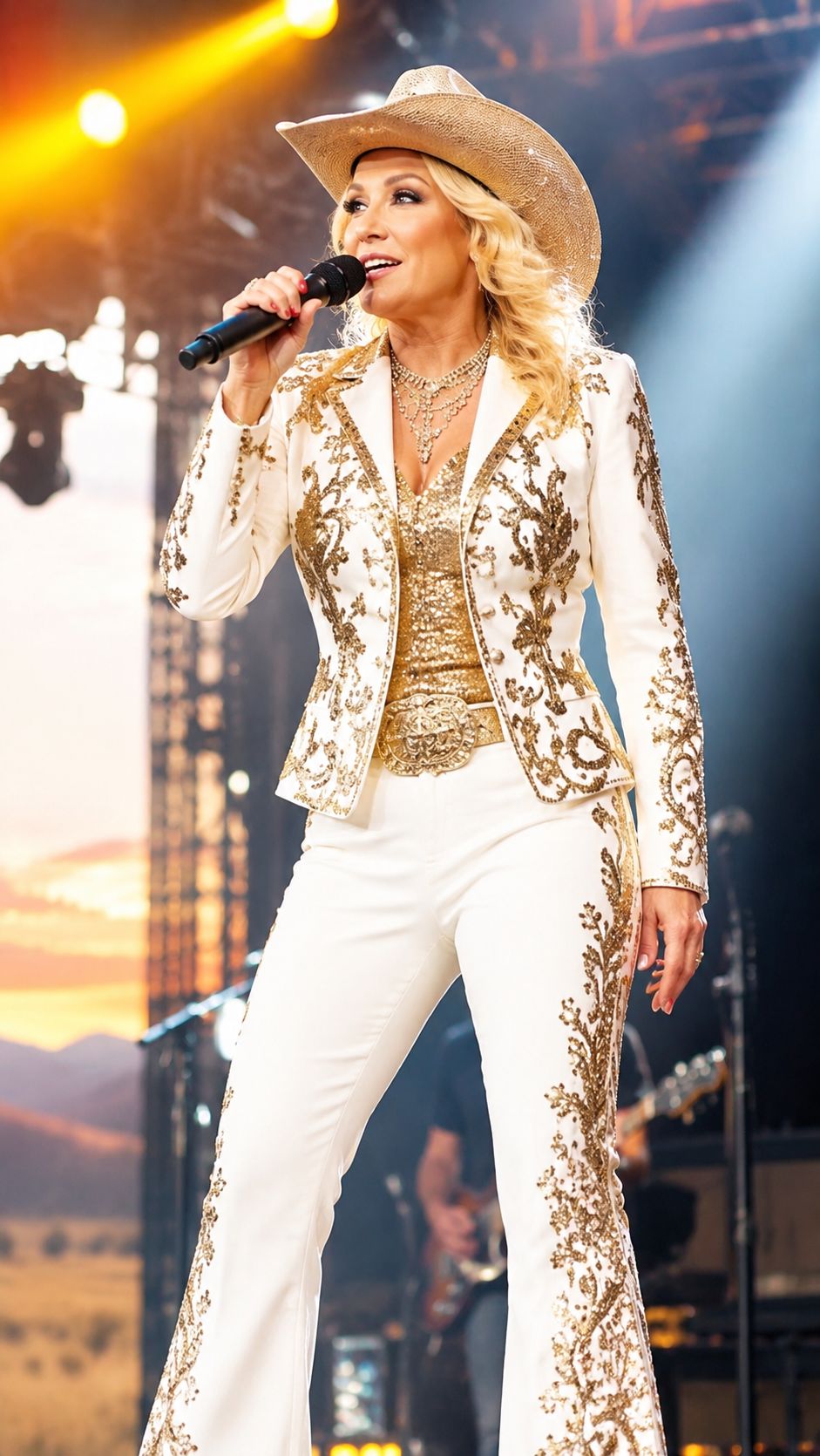
There are artists who become stars.
There are artists who become legends.
And then there are the rare few who completely redefine an entire genre—forcing the music industry to evolve, whether it wants to or not.
Shania Twain belongs to that last category.
Today, millions recognize her as the glamorous woman behind global hits like “Man! I Feel Like a Woman!”, “You’re Still the One,” and “That Don’t Impress Me Much.” But long before she became the undisputed Queen of Country Pop, she was viewed as an outsider—someone many believed was destroying traditional country music.
Ironically, the very decisions that made her one of the best-selling female artists in history also brought years of criticism, personal heartbreak, and emotional isolation.
This is the story of how one fearless woman transformed country music forever—and why the price of that revolution was far greater than most fans ever realized.
“History rarely celebrates the people who play it safe. It remembers the ones willing to risk everything.”
Before Shania, Country Music Had Strict Rules
In the early 1990s, country music was thriving.
Artists like George Strait, Alan Jackson, Reba McEntire, Brooks & Dunn, and Vince Gill represented a sound deeply rooted in fiddle, steel guitar, and Southern tradition.
Country radio followed an unwritten rule:
If it sounded too much like pop…
It wasn’t country.
Female artists especially faced enormous pressure.
They were expected to look modest.
Dress conservatively.
Sing heartbreak.
Stay within the lines.
Then Shania Twain arrived.
And she ignored nearly every one of those expectations.
She Refused To Fit Into Anyone’s Box
Born Eilleen Regina Edwards in Ontario, Canada, Shania grew up surrounded by poverty.
Music wasn’t a glamorous dream.
It was survival.
She performed in bars as a child to help support her struggling family.
After losing both parents in a tragic car accident, she postponed her own ambitions to raise her younger siblings.
Those years shaped her forever.
When success finally came, she wasn’t interested in asking permission.
She had spent too much of her life simply trying to survive.
That determination would become both her greatest strength—and the reason critics couldn’t stop attacking her.
The Album That Changed Everything
In 1995, The Woman in Me exploded onto the country scene.
It wasn’t just successful.
It was revolutionary.
Produced alongside her husband Robert “Mutt” Lange, the album blended country storytelling with pop production, rock energy, and unforgettable hooks.
Traditionalists immediately complained.
Too polished.
Too commercial.
Too sexy.
Too different.
Fans disagreed.
Millions bought the album.
Then millions more.
Songs like “Any Man of Mine” and “Whose Bed Have Your Boots Been Under?” became impossible to ignore.
Suddenly country music sounded bigger.
Bolder.
More global.
“Every revolution sounds like noise to the people protecting the old system.”
Critics Said She Was Selling Glamour Instead Of Country
Perhaps no female country artist had ever been criticized so intensely for her appearance.
Her music videos featured fashion rarely seen in Nashville.
Midriff tops.
Leopard prints.
Runway-inspired styling.
Confidence.
Some industry voices accused her of using beauty instead of talent.
They claimed she was turning country music into pop spectacle.
But those accusations ignored one undeniable fact.
Shania could write.
She could perform.
She could connect emotionally with audiences in ways that transcended genre.
Her image wasn’t replacing the music.
It amplified it.
Still, the backlash was relentless.
Every chart success seemed to generate another wave of criticism.
Then Came Come On Over
Few albums in music history have matched what happened next.
Released in 1997, Come On Over wasn’t simply a hit.
It became a cultural earthquake.
The album eventually sold over 40 million copies worldwide, making it one of the best-selling studio albums ever released by any artist.
Country fans loved it.
Pop fans embraced it.
International audiences discovered country music through Shania for the very first time.
She wasn’t just crossing genres.
She was erasing their borders.
Songs like:
- You’re Still the One
- From This Moment On
- Honey, I’m Home
- Man! I Feel Like a Woman!
- That Don’t Impress Me Much
became global anthems.
Suddenly, country music wasn’t confined to Nashville.
It belonged to the world.
Success Didn’t Silence The Doubters
Ironically, becoming one of history’s biggest stars only intensified criticism.
Some traditionalists insisted she wasn’t “real country.”
Others argued she had opened the door for country music to become too commercial.
Yet many of today’s biggest artists—including Taylor Swift, Kelsea Ballerini, Kacey Musgraves, and countless crossover performers—built careers in an industry forever changed by Shania’s success.
The blueprint already existed.
She had drawn it herself.
“Sometimes the people accused of ruining a genre are actually the ones ensuring its survival.”
Behind The Spotlight Was A Woman Carrying Invisible Pain
While fans celebrated record-breaking tours and glamorous performances, Shania’s private life quietly unraveled.
Her marriage to producer Mutt Lange collapsed after revelations of his affair with a close friend.
The betrayal devastated her.
It wasn’t simply the loss of a husband.
It shattered the partnership responsible for creating one of music’s greatest creative collaborations.
For a time, she disappeared almost entirely from public life.
Many wondered whether she’d ever return.
Then another devastating challenge arrived.
Losing The Voice That Changed Everything
Shania developed severe vocal problems caused by Lyme disease and later complications affecting the nerves controlling her vocal cords.
The woman whose voice had captivated millions suddenly struggled to sing.
For an artist, few fears are greater.
Imagine spending your life building a career around something your own body no longer allows you to do.
Years of rehabilitation followed.
Surgeries.
Therapy.
Frustration.
Moments of doubt.
Many performers would have retired.
Shania refused.
Her Comeback Meant More Than New Music
When she eventually returned to touring, fans noticed something different.
Her voice wasn’t identical to the one they remembered.
Neither was she.
She had become stronger.
More honest.
More vulnerable.
Instead of pretending nothing had happened, she openly discussed aging, illness, heartbreak, and recovery.
Ironically, the woman once criticized for appearing too glamorous became admired for revealing her imperfections.
Her resilience inspired an entirely new generation of artists navigating public scrutiny.
The Legacy She Never Planned
Perhaps Shania Twain never intended to revolutionize country music.
Perhaps she simply wanted to make songs people loved.
But history tells a different story.
Without her success…
Would country radio have embraced broader sounds?
Would crossover artists have found the same opportunities?
Would country music have reached millions of listeners across Europe, Asia, Australia, and beyond?
We’ll never know.
What we do know is this:
The risks she took permanently expanded the boundaries of what country music could become.
Not everyone welcomed those changes.
But millions embraced them.
Why Her Story Still Resonates Today
In an era where artists are constantly judged for evolving, Shania Twain’s journey feels more relevant than ever.
She reminds us that innovation almost always comes with criticism.
That breaking barriers often means standing alone.
And that history has a remarkable habit of rewarding courage long after controversy fades.
Today, younger performers freely blend country with pop, rock, hip-hop, and folk.
Many of those creative freedoms exist because one Canadian singer refused to accept the limits others placed on her decades ago.
The cost was enormous.
Public criticism.
Personal heartbreak.
Years of physical recovery.
Yet the impact remains undeniable.
Because Shania Twain didn’t simply become one of country music’s biggest stars.
She changed its future.
And sometimes, the people bold enough to change history must first endure the loneliness of being misunderstood.
VIDEO: