 By admin
 INTRODUCTION:
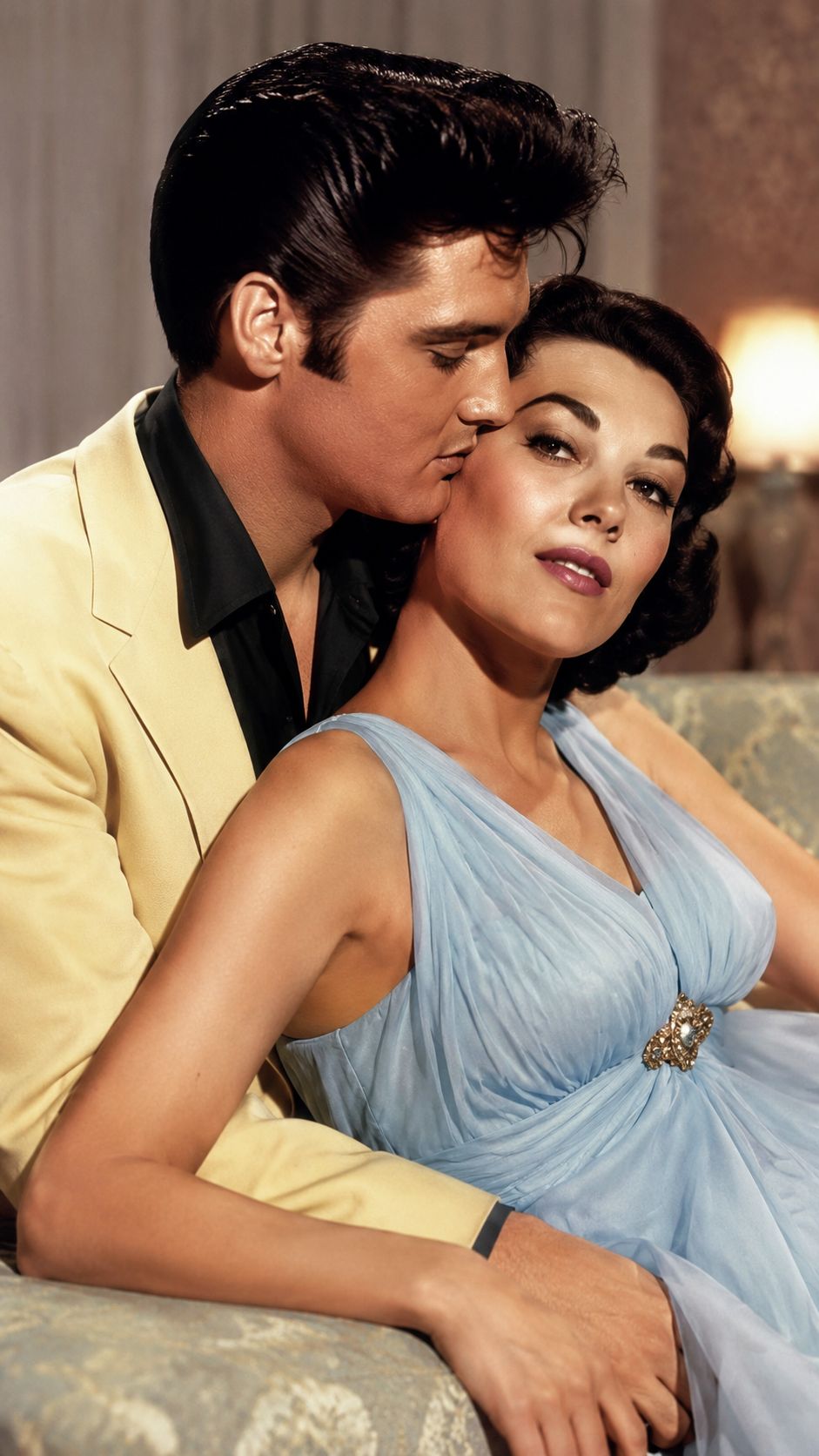
Few figures in music history have achieved the mythical status of Elvis Presley. Crowned the undisputed King of Rock and Roll, he transformed popular culture, shattered musical barriers, and became one of the most recognizable faces on Earth. His electrifying performances, magnetic charisma, and timeless hits created a legacy that still echoes through every corner of modern music.
Yet behind the dazzling lights, screaming crowds, and record-breaking success existed a far darker story.
The public saw a superstar living the ultimate dream. They saw luxury cars, sold-out arenas, and a mansion fit for royalty. What they did not see was the growing loneliness, the dangerous dependence on prescription drugs, the questionable relationships, and the suffocating pressures of global fame. The man who inspired millions was slowly becoming trapped inside a prison of his own making.
The tragedy of Elvis Presley is not simply the story of a celebrity who died too young. It is the story of how unimaginable success can magnify personal weaknesses, how enablers can become accomplices, and how a cultural icon can lose control while the world watches in disbelief.
More than four decades after his death, the rise and fall of the King remains one of the most haunting cautionary tales in music history.
The Rise of an Untouchable Icon
When Elvis Presley exploded onto the scene in the 1950s, America had never seen anything like him. Blending elements of Rock and Roll, Country Music, gospel, blues, and rhythm and blues, he created a sound that transcended traditional boundaries.
Songs like Heartbreak Hotel, Hound Dog, Jailhouse Rock, and Love Me Tender turned him into a global phenomenon. His fame reached a level few artists have ever matched. He wasn’t merely a singer—he became a cultural movement.
But extraordinary success often creates extraordinary isolation.
As Elvis Presley grew richer and more famous, fewer people were willing to challenge him. His inner circle, later known as the Memphis Mafia, became fiercely loyal protectors. While their devotion was genuine, it also created an environment where criticism became rare and unhealthy habits went unchecked.
The King was increasingly surrounded by people who said “yes” when he desperately needed someone willing to say “no.”
Fame gave Elvis everything he ever wanted—except the ability to escape himself.
The Prescription Drug Spiral
The darkest chapter of Elvis Presley’s life revolved around prescription medication.
Unlike many rock stars of his era, Elvis was not primarily associated with illegal street drugs. Instead, he developed a dangerous dependence on prescription pharmaceuticals. Doctors regularly supplied him with a cocktail of stimulants, sedatives, painkillers, and sleeping pills.
The pattern became viciously cyclical.
To stay awake during demanding schedules, he used stimulants. To sleep afterward, he relied on sedatives. To manage physical discomfort, additional medications entered the mix. Over time, his body became increasingly dependent on substances that were initially prescribed for legitimate reasons.
By the 1970s, the problem had become impossible to hide.
Friends, family members, and associates reportedly witnessed dramatic mood swings, erratic behavior, and declining health. Yet few people possessed the influence—or courage—to intervene effectively.
The tragedy was compounded by the fact that much of the drug use occurred under medical supervision, creating a false sense of legitimacy.
The King was not collapsing in secret. He was deteriorating in plain sight.
The Lonely Palace of Graceland
The grandeur of Graceland often symbolizes success and achievement. Yet for many observers, it also represents the growing isolation that consumed Elvis Presley during his final years.
As his fame expanded, genuine friendships became increasingly difficult to maintain. Every conversation carried the weight of his celebrity status. Every relationship existed under the shadow of his immense power and wealth.
The mansion became both sanctuary and prison.
Long nights, irregular sleeping patterns, and increasing dependence on medication contributed to a lifestyle detached from reality. While fans imagined a glamorous existence, many insiders described an environment marked by boredom, excess, and emotional instability.
The larger his legend became, the smaller his world appeared to grow.
Controversial Relationships and Public Scrutiny
Another aspect of Elvis Presley’s legacy that continues to generate debate involves his relationships with younger women.
The most discussed example remains his relationship with Priscilla Presley, whom he met when she was still a teenager. While their relationship eventually led to marriage, modern audiences often view the circumstances through a more critical lens than previous generations did.
Additional accounts from biographers and former associates have raised questions about Elvis’s preference for significantly younger romantic partners.
These discussions have complicated public perceptions of the star. While some defenders emphasize the cultural norms of the era, critics argue that celebrity status often shielded powerful figures from scrutiny.
The ongoing debate illustrates how historical icons are frequently reevaluated as societal standards evolve.
The Decline No One Could Stop
By the mid-1970s, signs of deterioration had become impossible to ignore.
Once celebrated for his athletic stage presence, Elvis Presley struggled with weight gain, exhaustion, and declining physical health. Concert footage from his final years reveals a performer still capable of moments of brilliance but clearly battling significant personal challenges.
Songs such as My Way, Hurt, and Unchained Melody carried an almost prophetic emotional weight during this period.
Audiences sensed something was wrong.
Behind the scenes, health issues multiplied. Chronic pain, digestive problems, insomnia, and cardiovascular concerns combined with heavy medication use to create a dangerous situation.
Yet the machine surrounding the King continued operating.
Concerts were scheduled. Tours continued. Expectations remained relentless.
The show had to go on—even when the performer was breaking apart.
Sometimes the most tragic falls happen when the audience is still applauding.
The Final Days
On August 16, 1977, the world received shocking news.
Elvis Presley had died at the age of 42.
The official investigations and subsequent analyses pointed toward a complex combination of health issues, with prescription drug use remaining a central factor in discussions about his death.
Millions mourned.
Fans gathered outside Graceland. Radio stations played his music nonstop. Newspapers across the globe dedicated front pages to the fallen King.
The reaction revealed an extraordinary truth: despite the scandals, despite the controversies, and despite the personal demons, people still loved him.
His voice had become woven into the emotional fabric of multiple generations.
Why the Elvis Story Still Matters
The downfall of Elvis Presley remains relevant because it exposes the hidden costs of celebrity culture.
His story is about far more than drugs or scandal. It is about unchecked power, isolation, enabling behavior, and the psychological burden of living as a global symbol.
The King achieved nearly every dream imaginable. He amassed wealth, fame, influence, and admiration beyond measure. Yet none of those accomplishments protected him from human vulnerability.
Today, artists across Country Music, Rock and Roll, pop, and countless other genres continue to face similar pressures. The lessons of Elvis’s life serve as a warning about the dangers of excess and the importance of accountability, support, and genuine human connection.
His music endures because it captured something authentic and timeless. His downfall endures because it revealed something equally human.
The story of Elvis Presley is ultimately not just the story of a king.
It is the story of a man who conquered the world, but could not conquer the darkness growing within.