 By admin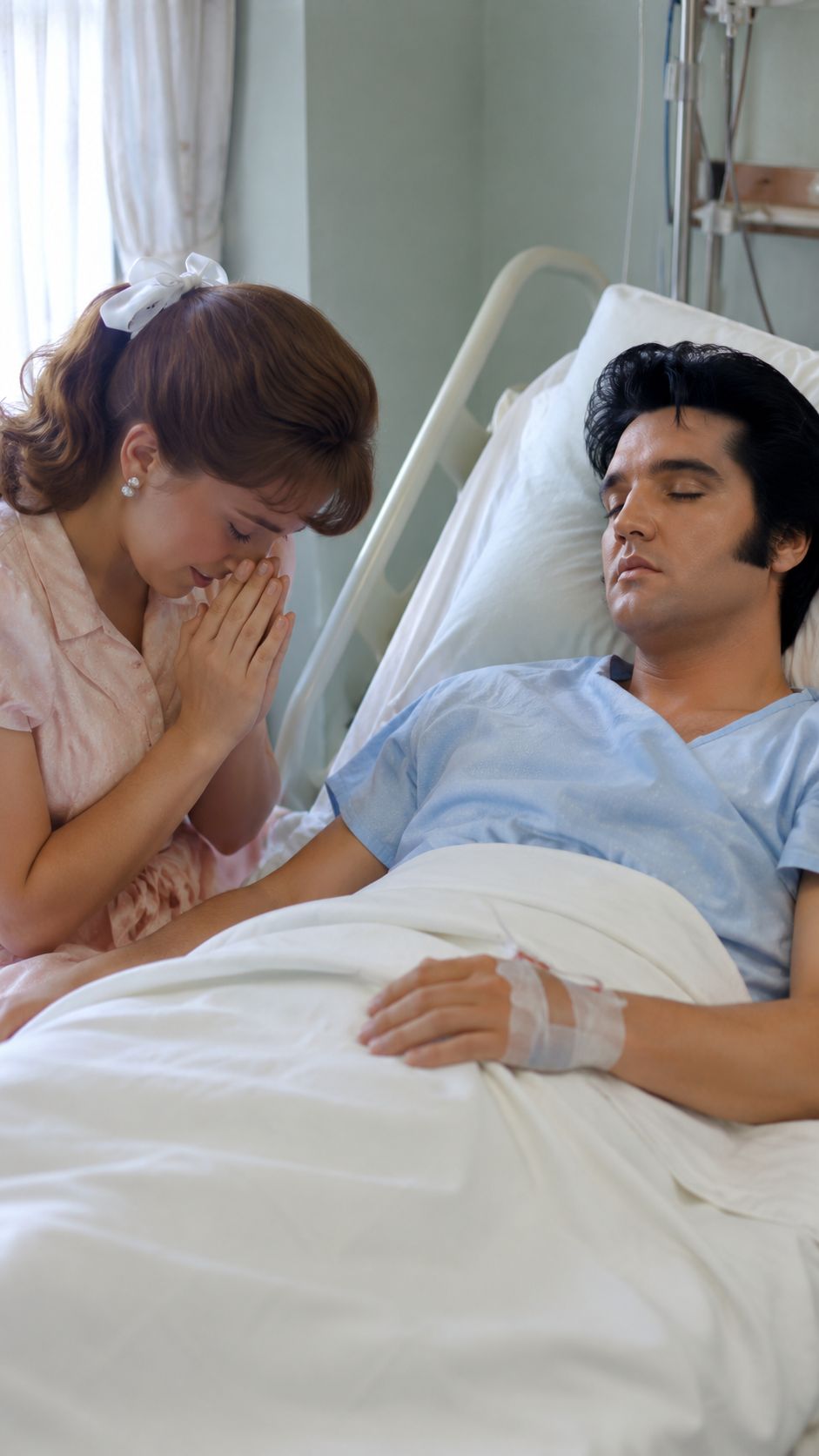
INTRODUCTION:
On August 16, 1977, the world lost more than a music icon. It lost a symbol of American culture, a voice that had bridged generations, and a performer whose charisma seemed larger than life itself. Elvis Presley, the undisputed King of Rock and Roll, was found dead at his beloved Graceland mansion in Memphis, Tennessee, at just 42 years old. The shockwaves were immediate. Fans gathered outside the gates in disbelief, radio stations interrupted programming, and headlines around the globe carried the same devastating news: Elvis was gone.
Yet nearly five decades later, the mystery surrounding his death continues to fascinate millions. Was it a simple heart attack? Was it years of prescription drug dependence? Or was the truth far more complex than the public was initially told?
The final 24 hours of Elvis Presley’s life reveal a story of physical decline, relentless pressure, loneliness, and the tragic consequences of fame. Behind the dazzling image of the man who gave the world classics like Heartbreak Hotel, Jailhouse Rock, and Can’t Help Falling in Love stood a deeply troubled individual fighting battles few could fully understand.
To understand what really killed the King, we must return to those final hours—hour by hour—and separate fact from myth.
The Last Day at Graceland
By the summer of 1977, Elvis Presley was a shadow of the energetic performer who had revolutionized music in the 1950s. Years of nonstop touring, poor eating habits, chronic health problems, and extensive prescription medication use had taken a visible toll.
On the evening of August 15, Elvis spent time at Graceland with family members, friends, and members of his inner circle. Despite obvious signs of exhaustion, he attempted to maintain normal routines. Witnesses recalled that he appeared tired but was still making plans for future performances.
The next leg of his tour was scheduled to begin within days.
That detail remains one of the most haunting aspects of the story. Even as his health deteriorated, the machine surrounding Elvis Presley kept moving forward. Concert dates were booked. Expectations remained enormous. The King was expected to perform.
The public saw a legend. Few saw the physical and emotional burden he carried every day.
Throughout the evening, Elvis reportedly relaxed, talked with friends, and spent time reading. Like many nights during this period of his life, sleep did not come easily.
A Long Battle With Insomnia
One of the lesser-known aspects of Elvis Presley’s health struggles was severe insomnia.
For years, he had difficulty sleeping. Doctors prescribed various medications to help him rest. Over time, this created a dangerous cycle. Medications intended to solve one problem often introduced new complications.
By the final years of his life, Elvis was reportedly taking numerous prescription drugs under medical supervision. These included sedatives, painkillers, and other medications designed to address chronic health complaints.
The issue was not necessarily illegal drug abuse in the traditional sense.
Instead, it was the accumulation of powerful prescription medications interacting within a body already under immense strain.
Medical experts later argued that this combination significantly increased health risks, especially when combined with obesity, cardiovascular issues, and chronic digestive problems.
The Early Morning Hours
During the early hours of August 16, Elvis remained awake for much of the night.
Accounts from those present suggest he spent time reading and speaking with people around him. He eventually retreated to his private quarters.
At approximately 7 a.m., he reportedly told those nearby that he intended to go to the bathroom before getting some sleep.
No one realized these would be among his final words.
Hours later, concern grew when he did not emerge.
Eventually, he was discovered unresponsive on the bathroom floor.
Emergency personnel were summoned immediately.
Despite frantic efforts to revive him, Elvis Presley was pronounced dead later that day.
The King of Rock and Roll was gone.
The Official Explanation
The first public explanations focused heavily on cardiac arrest.
At face value, this seemed plausible. Elvis had gained significant weight, appeared physically unwell, and had a family history of heart disease.
However, questions emerged almost immediately.
How could a man only 42 years old suddenly die?
Why had his health deteriorated so rapidly?
What role did prescription medications play?
These questions fueled decades of speculation.
Initial reports often simplified the circumstances, leading many fans to believe a sudden heart attack alone had ended his life.
The reality appears far more complicated.
Prescription Drugs and the Growing Controversy
As investigations continued, toxicology findings became a major source of debate.
Numerous prescription medications were identified within Elvis’s system.
Critics argued that excessive prescribing practices contributed significantly to his death. Supporters countered that Elvis obtained medications legally through physicians attempting to treat legitimate medical conditions.
Regardless of perspective, most modern analyses reach a similar conclusion:
Prescription medications were likely a major factor.
They may not have been the sole cause, but they almost certainly interacted with underlying health problems in dangerous ways.
Fame made him powerful. His health made him vulnerable.
The tragedy illustrates how medical treatment, when poorly managed over long periods, can become part of the problem rather than the solution.
The Hidden Health Problems
For years, the public narrative focused almost entirely on drugs.
Yet researchers and biographers have increasingly pointed toward deeper medical issues.
Evidence suggests Elvis Presley suffered from multiple chronic conditions, including cardiovascular problems, hypertension, digestive disorders, and possible genetic abnormalities affecting various organs.
Some experts believe these conditions had been developing for years.
In that interpretation, prescription drugs accelerated an already serious decline rather than creating it from nothing.
This view paints a more nuanced picture.
Instead of a superstar destroyed solely by addiction, we see a man battling complex medical challenges while simultaneously living under extraordinary pressure.
The Weight of Being Elvis
No discussion of Elvis’s final hours is complete without examining the psychological burden of fame.
From the explosion of Rock and Roll in the 1950s through the spectacle of his Las Vegas years, Elvis existed in a world unlike that of ordinary people.
He was constantly observed.
Constantly judged.
Constantly expected to remain larger than life.
The same performer who electrified audiences with Suspicious Minds, Love Me Tender, and Burning Love often struggled privately.
Isolation became increasingly common.
Trusted relationships became harder to maintain.
The pressures of preserving the image of Elvis Presley never disappeared.
The crown that made him a king also became a weight he could never completely remove.
Why the Mystery Endures
Part of the reason the story remains so compelling is that there is no single, simple answer.
Human beings prefer clear endings.
We want one cause.
One moment.
One explanation.
But the death of Elvis Presley appears to have resulted from multiple interconnected factors:
- Chronic health problems.
- Cardiovascular strain.
- Long-term prescription medication use.
- Severe insomnia.
- Lifestyle habits.
- The physical and emotional pressures of global fame.
Each piece contributed to a larger tragedy.
The King was not defeated by one enemy.
He was overwhelmed by many.
The Legacy Beyond the Tragedy
Today, millions continue to visit Graceland each year.
His recordings continue to sell.
New generations discover classics like Heartbreak Hotel, Jailhouse Rock, Can’t Help Falling in Love, and Suspicious Minds.
His influence extends across Country Music, Rock and Roll, Gospel, and popular music as a whole.
The circumstances of his death remain endlessly analyzed, but perhaps the greater story is the life he lived.
Elvis Presley transformed entertainment forever. He shattered musical boundaries, introduced new sounds to mainstream audiences, and became one of the most recognizable figures in modern history.
The final 24 hours explain how the King died.
His music explains why the world still remembers him.