 By admin
 INTRODUCTION:
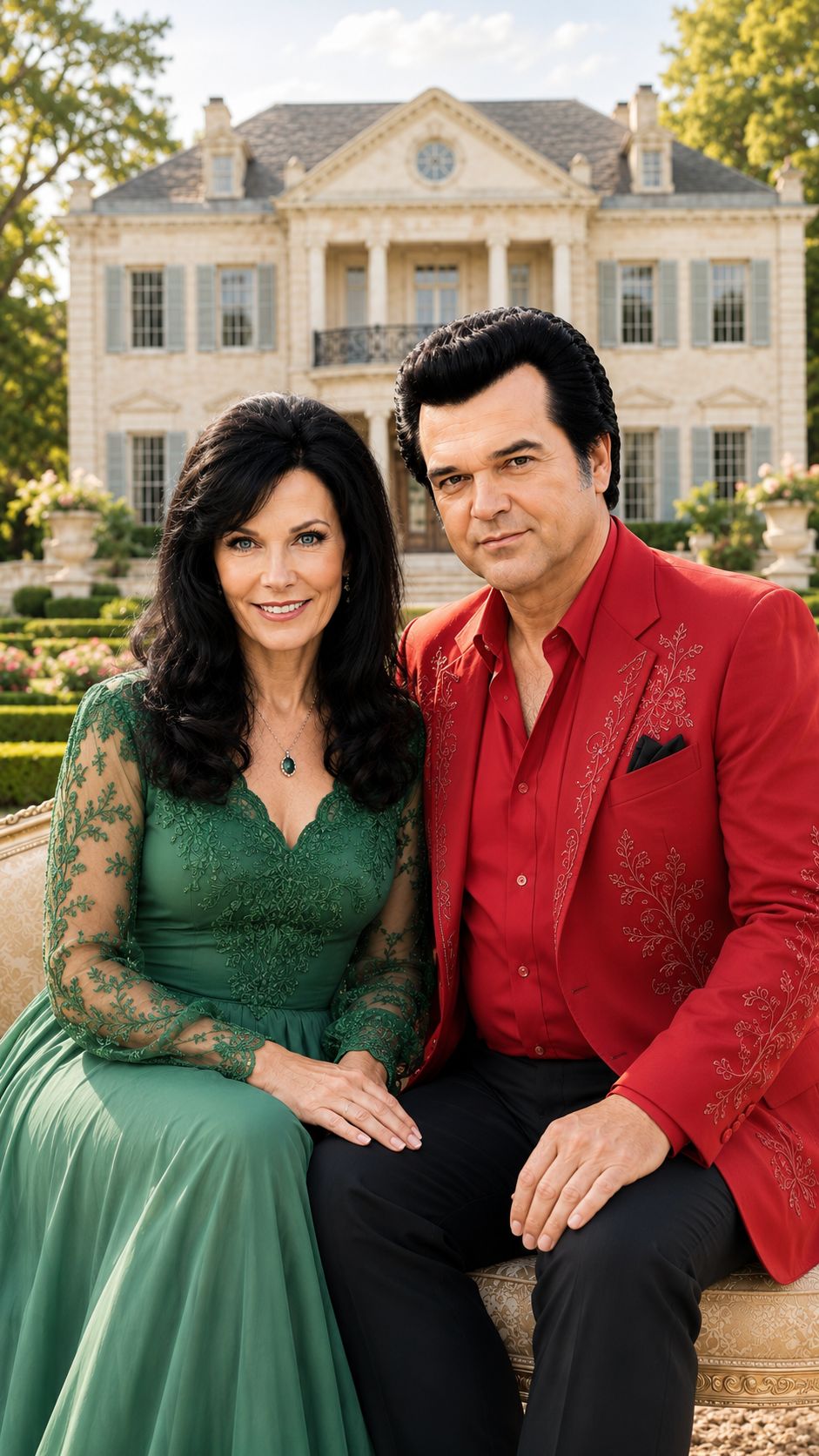
There are songs that entertain, songs that dominate the charts, and songs that quietly disappear into history. Then there are the rare recordings that transcend their era entirely—songs that feel as alive today as they did the moment they were first heard. Among the most powerful examples in the history of Country Music is “Lead Me On”, the unforgettable duet by Conway Twitty and Loretta Lynn.
Released during a period when Nashville carefully guarded its image and maintained strict expectations about how romance should be portrayed in mainstream music, “Lead Me On” arrived like a whispered confession in a room full of rehearsed conversations. It did not rely on dramatic production, sensational lyrics, or controversy-driven marketing. Instead, its impact came from something far more dangerous: emotional truth.
Listeners immediately sensed that they were hearing something different. The chemistry between Conway Twitty and Loretta Lynn felt almost unnervingly authentic. Every line carried tenderness, longing, and vulnerability that seemed to blur the boundary between performance and reality. The song sounded less like a commercial recording and more like a private emotional exchange that somehow found its way onto the radio.
For millions of fans, that honesty became unforgettable. Decades later, “Lead Me On” remains one of the most emotionally resonant recordings ever produced in Classic Country, a song that challenged Nashville’s unwritten rules and permanently expanded the emotional possibilities of the genre.
The Nashville That Feared Too Much Reality
To understand why “Lead Me On” became such a landmark recording, it is essential to understand the climate of Country Music during the early 1970s.
The genre had always excelled at telling stories about heartbreak, loneliness, regret, and lost love. Audiences connected deeply with songs about broken homes, missed opportunities, and emotional pain. Yet there remained invisible boundaries that artists were expected to respect.
When it came to romantic intimacy, Nashville often preferred suggestion over revelation.
Male-female duets were expected to sound tasteful and controlled. Producers and radio executives worried that songs expressing too much emotional closeness might make traditional audiences uncomfortable. The industry’s conservative culture encouraged performers to maintain a safe emotional distance.
Then came “Lead Me On.”
Rather than presenting romance through polished clichés, the song invited listeners into a deeply personal emotional landscape. The lyrics unfolded with remarkable tenderness, while the vocal performances created an atmosphere that felt intensely genuine.
“Lead me on and take control of how I feel.”
What made the song revolutionary was not simply what was being sung. It was how it was being sung.
The voices of Conway Twitty and Loretta Lynn seemed to exist in complete emotional synchronization. Their delivery suggested trust, vulnerability, and romantic yearning with a realism that many listeners had never encountered in mainstream Country Music.
The Unmatched Chemistry of Conway and Loretta
By the time “Lead Me On” was released, Conway Twitty and Loretta Lynn had already become one of the most beloved duet partnerships in music.
Together, they achieved a remarkable balance. Twitty possessed a rich, smooth voice capable of conveying passion with effortless ease. Lynn, meanwhile, brought authenticity, emotional depth, and a relatable sincerity that audiences trusted completely.
Individually, both artists were superstars.
Together, they became something even more powerful.
Fans believed them.
That belief was the secret ingredient behind the success of “Lead Me On.” While many duet recordings sounded carefully arranged, Conway Twitty and Loretta Lynn sounded emotionally invested. Their performances carried a level of realism that made listeners wonder whether they were hearing acting or genuine feeling.
That ambiguity became part of the song’s legend.
It felt less like a performance and more like a confession.
The emotional connection between the two artists created a listening experience unlike anything else dominating country radio at the time.
Why the Song Felt Almost “Banned in Spirit”
No official ban ever existed against “Lead Me On.” The song enjoyed commercial success and reached the top of the charts. Yet many longtime observers have described it as being “banned in spirit” because of how dramatically it challenged Nashville’s comfort zone.
The discomfort came from authenticity.
Industry leaders could handle songs about heartbreak. They could handle songs about desire. What made “Lead Me On” unusual was its refusal to hide emotional intimacy behind metaphor or distance.
The song invited audiences to experience romantic vulnerability directly.
For some traditional gatekeepers, that level of honesty felt risky.
The recording demonstrated that listeners were ready for more emotionally sophisticated storytelling. It proved that audiences wanted songs that reflected real human relationships rather than sanitized versions designed to fit industry expectations.
In doing so, “Lead Me On” quietly expanded the emotional vocabulary of Country Music.
Changing the Future of Country Duets
The influence of “Lead Me On” extended far beyond its chart performance.
The success of the song encouraged future artists to explore greater emotional depth in duet recordings. It showed that audiences responded to authenticity, even when that authenticity challenged established conventions.
After Conway Twitty and Loretta Lynn, the genre increasingly embraced songs that explored complicated emotions, intimate relationships, and vulnerable personal experiences.
Many modern country duets owe a creative debt to the path established by “Lead Me On.”
The recording demonstrated that listeners did not merely want polished entertainment. They wanted emotional truth.
That lesson would echo throughout the following decades, influencing artists who sought to bring greater realism into their songwriting and performances.
Why the Song Still Resonates Today
Perhaps the most remarkable aspect of “Lead Me On” is how contemporary it still feels.
Music trends have changed dramatically since the 1970s. Production styles have evolved. Radio formats have shifted. Entire generations of performers have come and gone.
Yet the emotional core of the song remains untouched by time.
Modern listeners continue discovering the recording and experiencing the same reaction audiences felt decades ago. The chemistry remains undeniable. The vulnerability remains powerful. The sincerity remains impossible to fake.
Great songs survive because they tell the truth. Extraordinary songs survive because they reveal truths people struggle to say themselves.
That is exactly what Conway Twitty and Loretta Lynn accomplished.
Their performance captured a level of emotional honesty rarely heard in any genre, let alone in the carefully controlled world of early 1970s Country Music.
The Lasting Legacy of Lead Me On
Today, “Lead Me On” stands as more than a hit record. It represents a turning point in the evolution of Country Music storytelling.
The song challenged assumptions about what audiences could handle emotionally. It demonstrated that vulnerability could be a strength rather than a liability. It showed that authenticity could resonate more deeply than perfection.
Most importantly, it reminded listeners that the most powerful music often emerges when artists stop performing and start revealing.
For that reason, Conway Twitty, Loretta Lynn, and “Lead Me On” continue to occupy a special place in the heart of Classic Country fans around the world.
Decades after its release, the song remains a masterclass in emotional storytelling—a recording so honest, so intimate, and so profoundly human that it forever changed the sound and soul of Country Music.